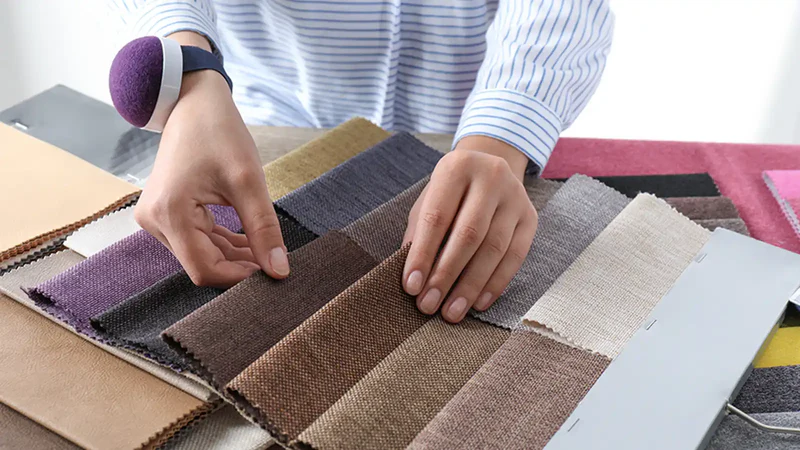
Fabric selection plays a critical role in determining how clothing feels, performs, and lasts over time. The right material enhances breathability, flexibility, insulation, and resistance to wear, while poor choices can reduce comfort and shorten garment lifespan. Understanding fabric characteristics helps in making smarter wardrobe investments that balance practicality and style.
Why Fabric Choice Matters in Clothing
Fabric determines how clothing interacts with the body and environment. It affects:
- Temperature regulation
- Skin comfort
- Durability
- Maintenance requirements
- Overall appearance retention
Selecting the appropriate material ensures clothing remains comfortable throughout daily activities and multiple wash cycles.
Natural Fabrics and Their Comfort Benefits
Natural fibers are widely appreciated for their softness, breathability, and adaptability to different climates.
Cotton: Everyday Comfort Essential
Cotton remains one of the most preferred clothing fabrics worldwide.
Key advantages include:
- Excellent airflow for warm climates
- Gentle feel on sensitive skin
- Moisture absorption capability
- Easy maintenance
Cotton garments are ideal for daily wear and summer outfits .
Linen: Lightweight and Cooling Performance
Linen is especially suitable for humid and hot weather conditions.
Benefits include:
- Superior ventilation
- Quick drying properties
- Natural texture that improves with age
- Strong fiber structure
Its breathable nature supports extended comfort during long outdoor use.
Wool: Reliable Warmth and Resilience
Wool is known for insulation and durability.
Important features:
- Retains body heat efficiently
- Naturally wrinkle-resistant
- Odor-resistant properties
- Long-lasting fiber strength
It is highly effective for winter layering and cold-weather clothing .
Synthetic Fabrics and Their Durability Advantages
Synthetic materials are engineered to enhance strength and performance.
Polyester: Strong and Low Maintenance
Polyester is widely used due to its durability and shape retention.
Key strengths include:
- Wrinkle resistance
- Color retention after washing
- Quick drying capability
- Resistance to shrinking
It works well in sportswear and everyday garments.
Nylon: Lightweight Yet Tough
Nylon offers exceptional durability while remaining flexible.
Advantages include:
- High abrasion resistance
- Smooth texture
- Lightweight construction
- Quick moisture evaporation
Often used in jackets, activewear, and travel clothing.
Spandex: Flexibility and Shape Retention
Spandex improves stretch performance in fitted clothing.
Benefits include:
- Superior elasticity
- Body-contouring comfort
- Long-lasting flexibility
- Ideal for athletic movement
Commonly blended with other fabrics for improved comfort during physical activity .
Blended Fabrics: Balancing Comfort and Strength
Fabric blends combine natural softness with synthetic durability.
Popular blends include:
- Cotton-polyester blends for breathability and wrinkle resistance
- Wool blends for warmth with improved longevity
- Stretch blends for flexibility and shape stability
Blended fabrics often provide the best balance between comfort and resilience.
How Fabric Weight Influences Comfort
Fabric thickness directly affects how clothing performs in different climates.
Lightweight fabrics:
- Suitable for summer
- Promote airflow
- Reduce body heat retention
Medium-weight fabrics:
- Ideal for year-round wear
- Provide structure without heaviness
Heavyweight fabrics:
- Offer insulation
- Enhance durability
- Support winter layering
Choosing the right weight improves seasonal comfort.
Fabric Breathability and Moisture Control
Breathable fabrics help regulate body temperature and prevent discomfort.
Highly breathable fabrics include:
- Cotton
- Linen
- Bamboo fabric
Moisture-wicking materials such as polyester blends keep the body dry during active use.
Proper moisture control reduces irritation and enhances long-term wearability.
Fabric Strength and Long-Term Durability
Durability depends on fiber structure and weave pattern.
Factors affecting durability include:
- Fiber length and thickness
- Weave density
- Fabric finishing treatments
- Washing frequency
Dense weaves and strong fibers increase resistance to tearing and fading.
Easy Maintenance Fabrics for Daily Use
Maintenance-friendly fabrics save time and extend garment usability.
Low-maintenance fabric qualities include:
- Wrinkle resistance
- Quick drying performance
- Shape retention after washing
- Color stability
Polyester blends and treated cotton fabrics are excellent examples.
Sustainable Fabric Choices for Lasting Comfort
Eco-conscious fabrics support both comfort and environmental responsibility
Popular sustainable options include:
- Organic cotton
- Bamboo fiber
- Recycled polyester
- Hemp fabric
These materials reduce environmental impact while maintaining durability.
Tips for Choosing the Right Fabric for Everyday Clothing
Selecting suitable fabrics improves overall clothing satisfaction.
Practical selection tips:
- Choose breathable fabrics for warm climates
- Select insulating materials for colder seasons
- Prefer blends for durability and flexibility
- Check fabric weight before purchasing
- Consider maintenance needs before selecting garments
Thoughtful fabric choices help create a comfortable and long-lasting wardrobe.
FAQs
1. Which fabric lasts the longest for everyday clothing?
Blended fabrics like cotton-polyester combinations typically provide excellent durability while maintaining comfort.
2. What fabric is best for hot and humid weather?
Linen and lightweight cotton are ideal because they allow airflow and reduce heat buildup.
3. Are synthetic fabrics less comfortable than natural fabrics?
Not always. Modern synthetic fabrics are designed to enhance breathability, flexibility, and moisture control.
4. How can fabric quality be identified before purchasing?
Check the weave density, stitching strength, fabric thickness, and label information for fiber composition.
5. Do thicker fabrics always mean better durability?
Not necessarily. Fiber strength and weave structure matter more than thickness alone.
6. Which fabrics require the least ironing?
Polyester and polyester blends resist wrinkles and maintain their shape after washing.
7. Why are blended fabrics popular in modern clothing?
They combine the softness of natural fibers with the strength and easy maintenance of synthetic materials.
